
A second mortgage loan can be a useful financial tool for homeowners looking to access the equity in their property. Whether you are considering home improvements, consolidating debt, or funding an investment, understanding how a second mortgage works is essential before making a decision.
For homeowners in the San Francisco Bay Area, the real estate market can be competitive and complex. Making informed choices about financing options, including second mortgage loans, can impact your ability to buy a new home, sell your home, or pursue investment property services.
At Mark Tauber Real Estate, we help clients navigate all aspects of real estate transactions. Our expertise extends beyond buying and selling homes to providing guidance on financial decisions that can affect your property’s value and your overall investment strategy.
In this article, we will answer common questions about second mortgage loans, including whether they are a good idea, how much you can borrow, and the advantages and disadvantages of different types of home equity financing.
What Is a Second Mortgage Loan?

A second mortgage loan is a type of loan that allows homeowners to borrow money using the equity in their home as collateral while still carrying a primary mortgage. It is called a second mortgage because it is secondary to your original home loan. If a borrower fails to make payments, the primary mortgage takes priority in repayment.
There are two common types of second mortgages:
| Home Equity Loan | Home Equity Line of Credit (HELOC) |
| Home Equity Loan This is a lump-sum loan with a fixed interest rate and regular monthly payments. It is ideal for homeowners who need a specific amount of money for expenses such as home renovations or debt consolidation. | Home Equity Line of Credit (HELOC) A HELOC works more like a credit card. Borrowers are approved for a maximum limit and can draw funds as needed, usually with a variable interest rate. HELOCs are flexible and suitable for ongoing expenses or investment projects. |
Second mortgage loans can be used for a variety of purposes, including funding home improvements, consolidating debt, or investing in additional properties. However, it is important to consider how taking on a second mortgage may impact your ability to sell your home or manage future finances, especially if you are also planning to buy a home or explore investment property services.
Is a 2nd Mortgage a Good Idea?
Deciding whether a second mortgage is a good idea depends on your financial goals and current situation. For some homeowners, it can be a practical solution to access cash, while for others, it may carry unnecessary risks.
| Benefits of a Second Mortgage | Potential Drawbacks |
| Access to Home Equity: You can tap into the equity you have built in your property without selling your home. | Increased Financial Risk: Borrowing against your home increases your debt, and failure to make payments could result in foreclosure. |
Fixed or Flexible Payments: Home equity loans offer fixed monthly payments, while HELOCs provide flexibility for ongoing expenses. | Impact on Selling Your Home: Carrying a second mortgage can complicate the sale process, as buyers and lenders may consider your total debt. |
Funding Major Expenses: Whether you are renovating your home, consolidating high-interest debt, or investing in additional properties, a second mortgage can provide the funds you need. | Interest Costs: Depending on your loan type, interest rates may be higher than your primary mortgage. |
Potential Tax Advantages: Interest paid on a second mortgage may be tax-deductible, especially if it is used for home improvements. |
For homeowners in the San Francisco Bay Area, a second mortgage can be a helpful tool when used strategically. If you are planning to buy a home, enhance your property, or explore investment property services, working with an experienced team like Mark Tauber Real Estate can help you evaluate whether a second mortgage aligns with your long-term financial goals.
How Much Can I Borrow on a 2nd Mortgage?
The amount you can borrow with a second mortgage depends largely on the equity in your home and your lender’s guidelines. Home equity is the difference between your home’s current market value and the remaining balance on your primary mortgage.
Factors That Affect Borrowing Limits
- Home Equity: Most lenders allow you to borrow up to 80 to 85 percent of your home’s appraised value, including your first mortgage.
- Credit Score: Higher credit scores can increase your borrowing potential and qualify you for better interest rates.
- Debt-to-Income Ratio: Lenders evaluate your ability to repay by comparing your monthly debt obligations to your income.
- Property Type and Market Conditions: Single-family homes in desirable neighborhoods like the San Francisco Bay Area may allow higher loan amounts compared to other property types.
Example Scenario
If your home is valued at $1,000,000 and your primary mortgage balance is $600,000, your available equity is $400,000. If the lender allows borrowing up to 80 percent of your home’s value, you could potentially take a second mortgage loan of up to $200,000.
Understanding your borrowing limits is crucial before taking a second mortgage, especially if you are considering major expenses, planning to sell your home, or exploring investment property services. Working with a trusted team like Mark Tauber Real Estate can help you evaluate the financial implications and make informed decisions.
Is It Hard to Get Approved for a Second Mortgage?
Approval for a second mortgage can be more challenging than a primary mortgage because lenders are taking on additional risk. However, many homeowners with strong financial profiles can qualify without major difficulty.
Key Factors Lenders Consider
Key Factors Lenders Consider
Credit Score
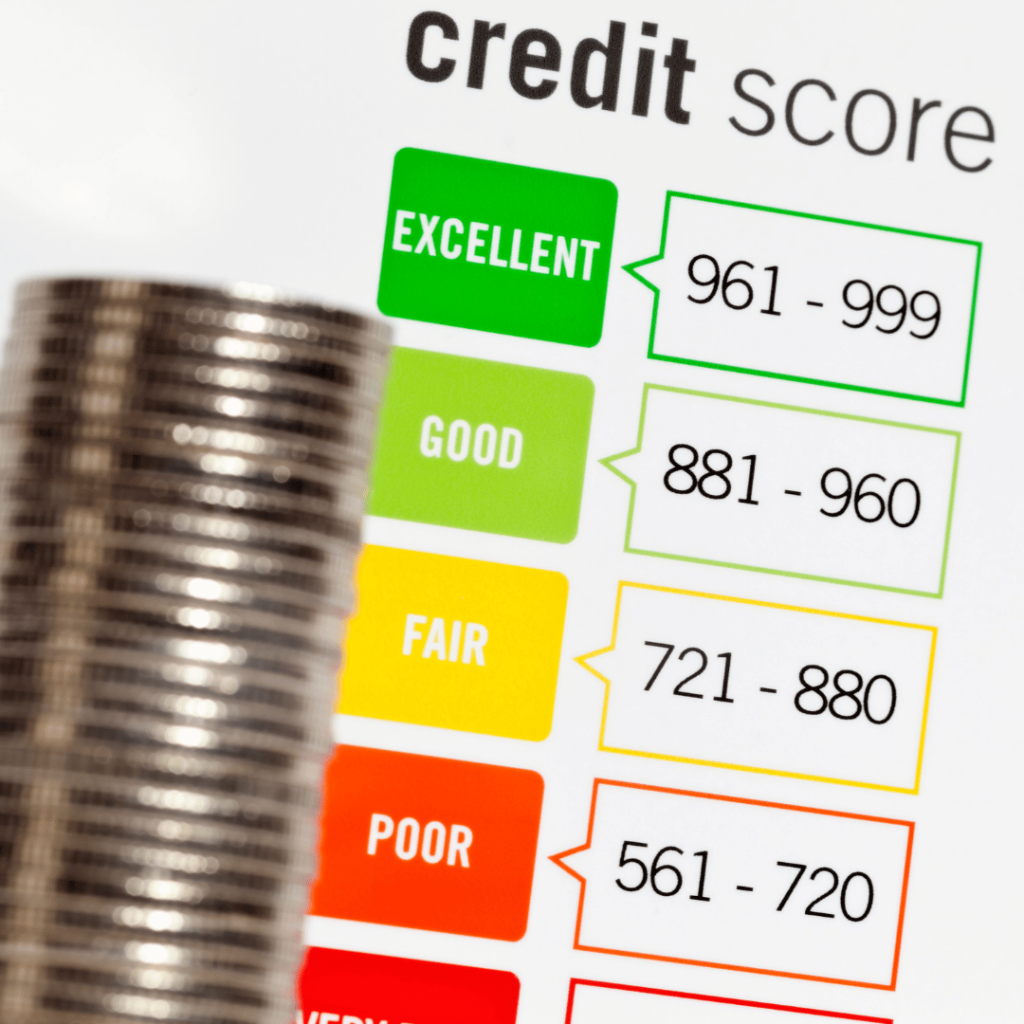
A higher credit score increases your chances of approval and may result in lower interest rates.
Debt-to-Income Ratio
Lenders review your monthly debts relative to your income to ensure you can comfortably handle additional payments.


Home Equity
Sufficient equity in your home is crucial. Lenders typically require a minimum amount of equity to approve a second mortgage.
Employment and Income Stability
Consistent income demonstrates your ability to repay the loan.

Tips to Improve Approval Chances
- Pay down existing debt to improve your debt-to-income ratio.
- Maintain a strong credit score by making timely payments and avoiding new debt.
- Ensure your home is in good condition, as its appraised value impacts borrowing potential.
While a second mortgage can provide financial flexibility, it is important to carefully consider how it fits into your overall plans. Whether you are buying a home, planning to sell your home, or exploring investment property services, working with professionals like Mark Tauber Real Estate can help you navigate approval requirements and make informed decisions.
Downsides of Taking a Home Equity Loan

While a home equity loan can provide access to cash for renovations, debt consolidation, or investment opportunities, it is important to understand the potential downsides before borrowing.
1. Increased Financial Risk
A home equity loan uses your property as collateral. Missing payments can lead to foreclosure, putting your home at risk.
2. Higher Interest Rates
Second mortgages often have higher interest rates than primary mortgages. This can increase your overall cost of borrowing over time.
3. Impact on Selling Your Home
Carrying a second mortgage can complicate the sale process. Buyers and lenders consider your total debt, which may limit your flexibility when planning to sell your home.
4. Fees and Closing Costs
Like any mortgage, home equity loans may include origination fees, appraisal fees, and closing costs, which can add up.
5. Potential Overborrowing
It can be tempting to borrow more than necessary. Taking on excessive debt may strain your finances and limit your options for future purchases, including buying a home or investing in additional properties through investment property services.
Understanding these downsides is crucial before deciding to take a home equity loan. Consulting with experienced professionals, such as Mark Tauber Real Estate, can help you weigh the risks and determine if a second mortgage aligns with your financial goals.
Home Equity Loan vs HELOC: Which Is Better?
When considering a second mortgage, many homeowners wonder whether a home equity loan or a HELOC is the better choice. Both options allow you to access your home’s equity, but they function differently and serve different financial needs.
Home Equity Loan
- Provides a lump sum of money upfront.
- Fixed interest rates and predictable monthly payments make budgeting easier.
- Ideal for one-time expenses such as home renovations or paying off high-interest debt.
Home Equity Line of Credit (HELOC)
- Functions like a credit line with a maximum borrowing limit.
- Variable interest rates and flexible withdrawals are ideal for ongoing expenses or phased projects.
- Can be used strategically for investment opportunities or improvements that add long-term value.
Which Is Better?
- Choose a home equity loan if you need a specific amount with consistent payments and want predictable costs.
- Choose a HELOC if you need flexibility to borrow over time and plan to use the funds for multiple or ongoing projects.
Both options carry risks, including potential foreclosure if payments are missed. It is important to evaluate your financial situation, plans for selling your home, or goals for buying a home or pursuing investment property services. Working with knowledgeable professionals like Mark Tauber Real Estate can help you decide which option aligns best with your long-term goals.
What Disqualifies You for a HELOC
While a HELOC can be a flexible way to access your home’s equity, not all homeowners qualify. Lenders evaluate several factors to determine eligibility. Understanding these disqualifiers can help you prepare and improve your chances of approval.

Common Disqualifiers
- Insufficient Home Equity: Lenders typically require at least 15 to 20 percent equity in your home after accounting for your primary mortgage.
- Low Credit Score: A poor credit history may prevent approval or result in higher interest rates.
- High Debt-to-Income Ratio: Excessive existing debt can signal that you may struggle to make payments.
- Unstable Income or Employment: Lenders prefer borrowers with steady income and a reliable employment history.
- Property Issues: Homes with legal disputes, liens, or significant structural problems may not qualify.
Tips to Improve Eligibility
- Pay down existing debts to lower your debt-to-income ratio.
- Ensure your credit score is in good standing by making timely payments and reducing new credit inquiries.
- Increase your home equity through renovations or paying down your primary mortgage.
Knowing what can disqualify you for a HELOC helps you take proactive steps to strengthen your application. Whether you plan to buy a home, sell your home, or pursue investment property services, consulting with experts like Mark Tauber Real Estate can provide guidance to navigate these requirements successfully.
Making Smart Decisions About Second Mortgage Loans
A second mortgage loan can be a powerful tool for homeowners seeking to access the equity in their property. Whether you are considering a home equity loan or a HELOC, understanding the benefits, risks, and eligibility requirements is essential to making informed financial decisions.
By carefully evaluating factors such as borrowing limits, approval requirements, and potential downsides, you can determine if a second mortgage aligns with your personal goals. These loans can help fund home improvements, consolidate debt, or support investment property services, but they require careful planning to avoid financial strain.
At Mark Tauber Real Estate, we guide homeowners in the San Francisco Bay Area through every stage of real estate, from buying a home to selling your home, while also helping you understand financial strategies that impact your property and investments.
If you are considering a second mortgage loan or want to explore options for your real estate goals, contact Mark Tauber Real Estate today. Our experienced team can provide personalized guidance to help you make confident, informed decisions about your home and your investments.