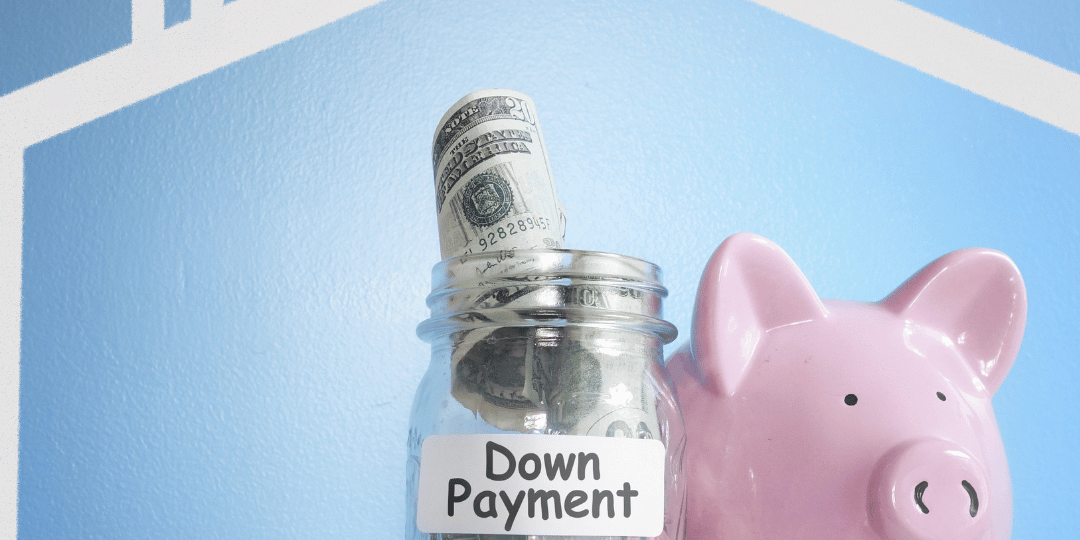
Buying your first home is a major milestone, but the process can feel overwhelming, especially when it comes to the financial aspects. One of the most significant challenges first-time homebuyers face is saving for a down payment. Fortunately, there are options available that can help minimize the upfront costs, with the 0 down payment mortgage being one of the most attractive options.
In this article, we’ll explore what it means to be a 0 down first-time home buyer, the types of loans available, and who benefits from these programs. Whether you’re looking to purchase your first home or are considering Selling Your Home and Buying a Home in the San Francisco Bay Area, understanding 0% down payment options could be the key to making your dream home more affordable. Let’s dive into the details and help you make an informed decision about your homebuying journey.
What Is the Minimum Down Payment for a First-Time Home Buyer?
When it comes to purchasing a home, down payments are often the biggest hurdle for first-time buyers. While the traditional mortgage route typically requires a significant upfront payment (usually around 20%), there are several programs that can help first-time buyers reduce that burden. Here’s an overview of the most common down payment requirements for first-time homebuyers:
Conventional Loans
- Minimum Down Payment: As low as 3%
- Ideal For: Buyers with good credit who don’t want to rely on government-backed programs.
- Details: Conventional loans are not backed by the government and may come with stricter eligibility requirements, but they offer flexibility and are often available for buyers with a strong credit history.
FHA Loans
- Minimum Down Payment: 3.5%
- Ideal For: Buyers with lower credit scores or those who don’t have significant savings for a down payment.
- Details: FHA loans are insured by the Federal Housing Administration and allow for smaller down payments, making homeownership more accessible for first-time buyers with less-than-perfect credit.
VA Loans
- Minimum Down Payment: 0%
- Ideal For: Veterans, active military service members, and certain surviving spouses.
- Details: VA loans are a fantastic option for eligible buyers because they require no down payment at all. Additionally, they often come with lower interest rates and don’t require Private Mortgage Insurance (PMI), making them one of the most attractive financing options for qualifying individuals.
USDA Loans
- Minimum Down Payment: 0%
- Ideal For: Buyers looking to purchase in rural or suburban areas.
- Details: The U.S. Department of Agriculture (USDA) offers 0% down payment loans to help buyers in eligible rural and suburban areas. These loans also offer lower mortgage insurance costs compared to other low- or no-down-payment loans.
What Does This Mean for You?
For first-time homebuyers, it’s essential to know that the minimum down payment required can vary based on the type of loan you qualify for and your specific situation. Programs like VA loans and USDA loans can be game-changers if you qualify, as they eliminate the down payment requirement entirely. If you don’t qualify for these, there are still other options with as little as 3% to 3.5% down, which can make purchasing a home much more attainable.
At Mark Tauber Real Estate, we’re here to help guide you through the process of understanding which loan programs are right for you. Whether you’re Buying a Home for the first time or Selling Your Home and upgrading to a new one, we’re committed to helping you find the most affordable options available in the San Francisco Bay Area.
What Is a 0% Down Payment?
A 0% down payment mortgage allows buyers to purchase a home without needing to pay anything upfront toward the purchase price. This can be an appealing option for first-time homebuyers who may struggle to save for a down payment but have the financial means to afford monthly mortgage payments. However, these loans are not available to everyone and typically come with specific eligibility requirements.
How Does a 0% Down Payment Work?
In a 0% down payment mortgage, the buyer borrows the entire purchase price of the home. For example, if the home you’re interested in is priced at $500,000, you would be borrowing the full $500,000 rather than making a down payment of 3% or 5% like in traditional loans.
Although this type of mortgage means you don’t need to save for the down payment, there are still other costs you’ll need to account for. Closing costs, property taxes, homeowners insurance, and possibly private mortgage insurance (PMI) are all additional expenses that may be included in the mortgage.
Who Qualifies for a 0% Down Payment Loan?
There are a few key programs that offer 0% down payment mortgages, but eligibility is usually restricted to certain groups:
- VA Loans: These loans are exclusively available to veterans, active military service members, and certain surviving spouses. They are one of the most popular 0% down payment options due to their generous terms, including no PMI, competitive interest rates, and no down payment requirement.
- USDA Loans: The United States Department of Agriculture (USDA) offers 0% down payment loans to eligible buyers purchasing homes in designated rural and suburban areas. The USDA’s goal is to encourage homeownership in these areas, so they provide financing with no down payment to qualified buyers.
What Are the Benefits of a 0% Down Payment Mortgage?
- Immediate Homeownership: Without the need for an upfront down payment, you can move into a home sooner than if you were required to save thousands of dollars for a traditional down payment. This can be particularly beneficial for first-time buyers who are eager to start building equity.
- Reduced Upfront Costs: A 0% down payment mortgage can make purchasing a home more affordable in the short term. It removes the barrier of saving for a large down payment, which can often be the biggest hurdle for new buyers.
- Increased Cash Flow: Without needing to put a large sum of money toward the down payment, you can allocate your funds to other financial goals or keep the money in savings for emergencies or home improvements.
Are There Any Drawbacks?
While the idea of 0% down is tempting, there are some downsides to consider:
- Higher Loan Balance: Because you’re financing the entire purchase price of the home, your loan balance will be higher than it would be with a down payment. This means you may have higher monthly mortgage payments.
- Private Mortgage Insurance (PMI): Most 0% down loans (except for VA loans) require PMI. This additional cost is added to your monthly mortgage payment and protects the lender in case of default. PMI can add hundreds of dollars to your monthly mortgage payment, increasing your overall housing costs.
- Less Equity in Your Home: With 0% down, you’re starting with no equity in the home. This can be a disadvantage if property values drop, as you could owe more than your home is worth if the market declines.
How to Get a 0% Down Mortgage
To qualify for a 0% down mortgage, you’ll need to meet the specific eligibility criteria for either a VA loan or a USDA loan. Additionally, you’ll need to have strong credit, stable income, and demonstrate that you can afford the monthly mortgage payments.
At Mark Tauber Real Estate, we can help you navigate through the various first-time homebuyer programs available in the San Francisco Bay Area. We’ll connect you with trusted lenders and guide you through the paperwork to help ensure you find the best loan for your needs.
If you’re interested in Buying a Home with 0% down, or if you’re looking to explore Investment Property Services, contact us today, and we’ll help you get started on your journey to homeownership!
What Is the Best Option for First-Time Home Buyers?
As a first-time homebuyer, it’s essential to explore all your options when it comes to financing your new home. While 0% down payment loans can be an attractive option, they are not always the best fit for everyone. Depending on your financial situation, credit score, and long-term goals, different loan programs might be more suitable for your needs.
Here’s a breakdown of the best options available for first-time homebuyers, including 0% down payment loans and other alternatives:
1. VA Loans (Best for Veterans and Active Military)
- Down Payment: 0%
- Ideal For: Veterans, active-duty military personnel, and certain surviving spouses.
VA loans are one of the best options for first-time homebuyers who are eligible. They offer several significant advantages:
- No Down Payment: You can purchase a home without having to put any money down.
- No PMI: Unlike many other 0% down loans, VA loans do not require Private Mortgage Insurance (PMI), which can save you hundreds of dollars each month.
- Lower Interest Rates: VA loans often come with lower interest rates compared to conventional loans, which can reduce your monthly payments.
If you qualify for a VA loan, it’s typically the best route for purchasing your first home, given the financial benefits it offers.
2. USDA Loans (Best for Rural and Suburban Areas)
- Down Payment: 0%
- Ideal For: Buyers purchasing homes in rural or suburban areas.
The USDA loan program is another excellent 0% down option for first-time homebuyers who meet the location and income requirements. Here’s why you might consider a USDA loan:
- No Down Payment: Just like the VA loan, the USDA loan allows you to buy a home with 0% down.
- Lower Mortgage Insurance: The USDA loan program offers mortgage insurance that is generally less expensive than what you would pay with an FHA or conventional loan.
- More Accessible: USDA loans can be more accessible to people with lower credit scores and modest incomes.
If you’re looking for a home in a rural or suburban area in the San Francisco Bay Area, a USDA loan might be a viable option.
3. FHA Loans (Best for Buyers with Lower Credit Scores)
- Down Payment: 3.5%
- Ideal For: First-time buyers with lower credit scores or limited savings for a down payment.
If you don’t qualify for a 0% down payment loan, an FHA loan could be an excellent alternative. Here’s what makes it a great option:
- Low Down Payment: You only need a 3.5% down payment, which is much more manageable than the typical 20% required for conventional loans.
- Easier Qualification: FHA loans are more forgiving when it comes to credit score requirements. Even if you have a lower credit score (as low as 580), you can still qualify.
- Flexible Financing: FHA loans offer more flexibility in terms of who qualifies, including those with non-traditional income sources or limited financial history.
While not offering a 0% down option, an FHA loan remains a strong contender for many first-time homebuyers, particularly those with less-than-perfect credit or limited savings.
4. Conventional Loans (Best for Buyers with Strong Credit and Savings)
- Down Payment: As low as 3%
- Ideal For: Buyers with good credit who have at least a small amount of savings for a down payment.
For buyers who have good credit and the ability to save for a small down payment, a conventional loan may be the best option:
- Low Down Payment: Many conventional loans allow first-time buyers to make a down payment as low as 3%.
- More Flexibility: Conventional loans offer more flexibility than government-backed loans, especially if you’re purchasing a home in a non-rural area.
- Private Mortgage Insurance (PMI): If you put less than 20% down, you’ll need to pay PMI, which can add to your monthly costs. However, if you have strong credit, you may be able to secure a more competitive interest rate than with FHA loans.
If you’ve been able to save for a small down payment and have a solid credit score, a conventional loan may allow you to purchase a home with a more affordable monthly payment.
Which Option Is Best for You?
The best financing option depends on several factors, including your eligibility, location, and long-term financial goals. To determine which loan program works best for your unique situation, consider the following:
- VA Loan: If you’re a veteran or active military, this is the best choice due to the 0% down payment and favorable terms.
- USDA Loan: Ideal if you’re buying a home in a rural area and meet the income requirements.
- FHA Loan: Perfect for buyers with a lower credit score who can manage a 3.5% down payment.
- Conventional Loan: Best if you have good credit and a modest down payment to make.
At Mark Tauber Real Estate, we understand that the homebuying process can be daunting, especially for first-time buyers. Whether you’re Buying a Home in the San Francisco Bay Area or Selling Your Home to upgrade, our team is here to help you navigate through the various loan programs available. We can connect you with trusted lenders to help you find the best financing option for your needs.
Is It a Good Idea to Put 0% Down?
While 0% down payment mortgages can be incredibly attractive, especially for first-time homebuyers who may struggle to save for a large down payment, it’s essential to consider both the benefits and potential drawbacks before moving forward. For some buyers, it might be a good idea, but for others, it may not be the best choice. Here’s what you should know about putting 0% down:
Benefits of Putting 0% Down
- Immediate Homeownership
One of the most significant advantages of a 0% down payment mortgage is that it allows you to purchase a home without waiting years to save up for a down payment. This is especially beneficial for first-time homebuyers who want to get into the housing market quickly and begin building equity in their property. - Reduced Upfront Costs
Buying a home can be expensive, and down payments are often one of the largest hurdles to homeownership. By utilizing 0% down financing options like VA loans or USDA loans, you can avoid depleting your savings on an upfront down payment and put that money toward other essential expenses, such as closing costs, home maintenance, or even paying off debt. - More Liquidity for Other Expenses
With 0% down, you’ll have more cash available for other aspects of homeownership, such as home improvements, repairs, or emergency funds. This can help you maintain better overall financial health after purchasing your home.
Drawbacks of Putting 0% Down
While 0% down payment loans may seem appealing, they come with some important downsides that you need to carefully consider before committing:
- Higher Loan Balance
Since you’re financing the entire cost of the home, your loan balance will be higher compared to a traditional mortgage with a down payment. This means higher monthly mortgage payments, which may impact your monthly budget. Additionally, because the loan balance is higher, you may also pay more interest over the life of the loan. - No Equity in Your Home
With a 0% down payment, you’re essentially starting your homeownership journey with no equity in the property. This can be risky if the market fluctuates. If home prices drop, you could owe more than your home is worth, a situation known as being “underwater” on your mortgage. On the other hand, if you made a down payment, you would have some equity right away. - Private Mortgage Insurance (PMI)
For most 0% down loans, such as USDA and FHA loans, you will be required to pay Private Mortgage Insurance (PMI). PMI is a type of insurance that protects the lender in case of default. This adds an extra cost to your monthly mortgage payment, which could make owning a home more expensive than expected. For example, FHA loans typically charge PMI for the life of the loan, while conventional loans with less than 20% down require PMI until your equity reaches 20%. - Strain on Future Savings
With no down payment, you won’t be building equity in your home as quickly as you would if you had made a significant initial investment. This could slow your ability to leverage the property for future investments, such as selling it for a profit or refinancing.
When It Might Be a Good Idea to Put 0% Down
There are certain circumstances where a 0% down payment mortgage could be an ideal choice for you:
- You’re a Qualified Veteran or Active Military: If you qualify for a VA loan, 0% down is a fantastic option. These loans also come with no PMI, lower interest rates, and favorable terms, making them an excellent deal for military service members.
- You Plan on Staying Long-Term: If you plan to stay in your home for many years, the short-term benefits of a 0% down payment (i.e., moving in sooner, saving money up front) may outweigh the long-term costs of a larger loan balance or PMI. Over time, your home’s value may increase, helping you build equity and potentially offset some of the initial disadvantages.
- You’re Buying in a USDA-Eligible Area: If you’re buying a home in a rural or suburban area and you qualify for a USDA loan, you can benefit from 0% down without some of the typical costs of PMI that come with other 0% down loans. These loans often come with lower mortgage insurance fees and can be a great option for buyers in these locations.
When It Might Not Be a Good Idea to Put 0% Down
On the other hand, there are times when 0% down may not be the best choice:
- You Don’t Have a Large Emergency Fund: Without a down payment, you start your homeownership journey with no equity. If an unexpected emergency or repair arises, it can be more challenging to absorb the costs, particularly if you’ve stretched your budget to cover your monthly mortgage payments.
- You’re Buying in a Volatile Market: If you’re buying a home in an area with rapidly changing property values or where the market is showing signs of decline, the risk of having no equity in your home could put you in a vulnerable position. The more stability you have in your down payment, the less risk you’ll face from potential market fluctuations.
- You’re Not Prepared for PMI: If you’re not comfortable with the added monthly cost of PMI, a 0% down loan may not be ideal. The extra payment can significantly increase your monthly housing costs, so it’s important to assess whether you can comfortably afford both the mortgage and the insurance payments.
Deciding whether to put 0% down on your home is a personal decision that depends on your specific financial situation, long-term goals, and the availability of financing options like VA loans or USDA loans. If you qualify for these programs and are comfortable with the trade-offs, 0% down payment loans can be a powerful tool to help you get into homeownership faster.
At Mark Tauber Real Estate, we’re here to guide you through the homebuying process. Whether you’re considering Buying a Home with a 0% down payment or Selling Your Home to upgrade, our team can help you explore all of your options to ensure the best financial outcome. Contact us today to learn more about how we can support you every step of the way.
What Is Zero All In Downpayment?
The term “Zero All In Downpayment” is often used in the context of home loans to describe a mortgage where the buyer does not need to put down any money for the down payment, as well as covering all associated closing costs, fees, and other required expenses without having to provide upfront cash. This can be especially appealing for first-time homebuyers who may have limited savings, making it difficult to cover both the down payment and closing costs.
A zero all-in downpayment mortgage essentially bundles the total cost of purchasing a home—down payment, closing costs, and sometimes even prepaid expenses—into the mortgage loan itself. This means that the buyer is essentially financing everything, from the price of the home to any additional costs associated with the purchase.
How Does a Zero All In Downpayment Work?
In a Zero All In Downpayment scenario, a buyer does not have to pay any upfront costs (down payment or closing fees) when purchasing a home. Instead, these costs are rolled into the mortgage itself, which results in a higher loan balance. Here’s an example:
- Home Price: $400,000
- Typical Down Payment: 3% to 20% of the home price ($12,000 to $80,000)
- Closing Costs: Typically 2% to 5% of the home price ($8,000 to $20,000)
With a Zero All In Downpayment mortgage, instead of coming up with $20,000 to $100,000 upfront, the buyer can finance the entire purchase, including both the home price and the additional costs (closing costs, inspection fees, etc.).
Who Qualifies for Zero All In Downpayment?
Not all buyers will be eligible for a Zero All In Downpayment mortgage, as there are typically stringent requirements. Some of the most common eligibility criteria include:
- Strong Credit Profile: Lenders will often require a higher credit score to qualify for this type of loan. This ensures that the borrower is financially responsible and able to handle a larger loan balance.
- Specialized Loan Programs: These loans are more commonly available under certain government-backed programs like VA loans (for veterans and active-duty military members) or USDA loans (for rural areas). These programs allow borrowers to take advantage of 0% down payment options and may also include the ability to finance closing costs.
- First-Time Homebuyer Programs: Some local or state government programs aimed at helping first-time homebuyers may offer zero all-in downpayment options to make homeownership more accessible. These programs often have income limits and location restrictions.
Benefits of Zero All In Downpayment
- No Need for Immediate Upfront Costs
The most obvious benefit of a zero all-in downpayment loan is that it removes the need for a large upfront cash payment. This is a major advantage for many first-time homebuyers who may be struggling to save for both a down payment and closing costs, but still have the monthly income to support a mortgage. - Increased Cash Flow
Without the need to pay thousands of dollars upfront, you’ll have more money available for other important expenses, such as moving costs, furnishing your new home, or establishing an emergency fund. - Easier Access to Homeownership
For many people, saving for a down payment is one of the biggest obstacles to owning a home. By financing the entire cost of the home—including the down payment and closing costs—you may be able to purchase a home sooner rather than waiting to save up. - Retain Savings for Other Goals
If you don’t need to spend your savings on the home purchase, you can use your remaining funds to pay off other debts, invest, or keep a financial cushion for unforeseen expenses, such as home repairs or maintenance.
Drawbacks of Zero All In Downpayment
- Higher Loan Balance and Monthly Payments
Since you’re financing the entire home purchase, including costs that would normally be paid upfront, your loan balance will be higher than it would be with a traditional down payment. As a result, your monthly mortgage payments may also be higher, which can put additional strain on your budget. - Less Equity
With zero all-in downpayment, you’re starting with no equity in your home. If property values decline or if you need to sell your home within a few years, you might owe more than your home is worth, leaving you at risk of financial loss. - Increased Long-Term Costs
Because the loan balance is larger, you may pay more in interest over the life of the loan. This could end up costing you significantly more than if you had made a down payment and kept your loan balance smaller. - Potential for PMI
If you are financing more than 80% of the home’s value, many zero down programs require Private Mortgage Insurance (PMI), which can increase your monthly payments and add additional costs to the home-buying process.
When Zero All In Downpayment Is a Good Option
For some buyers, especially those with limited savings or those who qualify for programs like VA loans or USDA loans, a zero all-in downpayment mortgage can be an excellent choice. Here’s when this option might work best for you:
- You Can Afford Higher Monthly Payments: If you’re comfortable with the higher monthly payments associated with a larger loan balance, a zero all-in downpayment mortgage could be a way to get into a home sooner.
- You Qualify for a Government Program: If you qualify for a VA loan or USDA loan, this option can make homeownership much more attainable, especially if you have limited funds for an upfront down payment.
- You Plan on Staying in the Home Long-Term: If you’re confident that the home’s value will appreciate over time and that you will stay in the property for several years, the higher loan balance and monthly payments may be worth it.
When It Might Not Be a Good Idea
- You Don’t Have a Financial Cushion: If you’re already living paycheck to paycheck or don’t have an emergency fund, taking on a larger mortgage balance could put you in a vulnerable position if an unexpected financial emergency arises.
- You Expect Property Values to Decline: If you’re purchasing in a market where property values are expected to drop, starting with no equity could put you at a higher risk of financial loss.
- You’re Not Comfortable with Higher Payments: If the thought of higher monthly payments makes you uneasy, you might be better off saving for a down payment and securing a smaller, more manageable mortgage.
A Zero All In Downpayment mortgage offers first-time homebuyers a way to purchase a home without needing to pay upfront costs, but it comes with trade-offs that must be carefully considered. While it can help you get into a home faster, it also increases your loan balance and may result in higher monthly payments.
At Mark Tauber Real Estate, we understand that navigating the homebuying process can be complex. Whether you’re exploring first-time homebuyer programs or looking for Investment Property Services, our team is here to guide you through your options to make the best financial decision for your future. Contact us today to learn more about your mortgage options and how we can assist you in Buying a Home in the San Francisco Bay Area.
How to Get 0% Financing
Getting 0% financing as a first-time homebuyer may seem like a dream, but it’s possible through specific loan programs designed to make homeownership more accessible. These loans often come with more relaxed qualifications, especially for buyers who may have limited funds for a down payment. However, securing 0% financing requires understanding the loan options, eligibility criteria, and the overall process.
Here’s how you can potentially secure 0% financing for your home purchase:
1. VA Loans (For Veterans and Active Military)
If you’re a veteran or active-duty military member, a VA loan could be your best option for 0% down financing. The Veterans Affairs (VA) offers home loans with no down payment required, along with other benefits like competitive interest rates and no Private Mortgage Insurance (PMI). Here’s how to qualify:
- Eligibility: VA loans are available to veterans, active-duty service members, and certain surviving spouses.
- Loan Terms: 0% down payment with favorable interest rates.
- How to Apply: You’ll need to provide your Certificate of Eligibility (COE) to the lender, showing that you qualify for a VA loan.
The VA loan program is one of the most powerful tools for military members, providing 0% financing without the added burden of PMI.
2. USDA Loans (For Rural and Suburban Areas)
The USDA loan is another program that offers 0% down payment financing, but it’s specific to homes located in rural or suburban areas. These loans are designed to encourage homeownership in less populated areas.
- Eligibility: The property must be located in an eligible rural or suburban area, and your household income must meet specific limits (typically around 115% of the median income in the area).
- Loan Terms: 0% down payment, low-interest rates, and reduced mortgage insurance compared to conventional loans.
- How to Apply: Your lender will determine if the property qualifies, and you’ll need to provide income documentation to confirm eligibility.
If you’re willing to live in a USDA-approved area, this loan program is a fantastic way to secure 0% financing with the added benefit of lower monthly mortgage insurance.
3. First-Time Homebuyer Programs (Government and State Programs)
Many states and local governments offer first-time homebuyer programs that provide assistance with down payments and closing costs, some of which may allow for 0% financing. These programs can vary depending on where you are buying a home, but here’s how you can access them:
- Eligibility: Typically, first-time homebuyers must meet income limits and other criteria. The home you purchase must be your primary residence.
- Loan Terms: These programs may provide 0% down payment loans, grants for closing costs, or down payment assistance, depending on the program. Some may even offer a combination of assistance, like paying for both the down payment and part of the closing costs.
- How to Apply: Contact your local housing authority or real estate professionals to learn about available programs in your area. They can guide you through the application process and help determine which program is the best fit for you.
These programs can significantly reduce the amount of money you need upfront, enabling you to purchase a home with little or no money down. At Mark Tauber Real Estate, we can connect you with local first-time homebuyer programs in the San Francisco Bay Area, helping you get into your new home as quickly as possible.
4. Lender-Specific Programs for 0% Down Financing
Some private lenders or banks may offer specialized 0% down programs for first-time homebuyers, though these loans are less common than government-backed options. These programs may come with certain conditions, such as:
- Income and Credit Score Requirements: Lenders may have specific requirements regarding income levels, credit score, or debt-to-income ratios.
- Private Mortgage Insurance (PMI): Even with 0% down, you might be required to pay PMI to protect the lender in case of default, which will add to your monthly costs.
- How to Apply: You’ll need to speak with the lender directly to inquire about their 0% down programs, as these vary greatly between institutions.
If you’re looking for 0% down financing through a private lender, it’s essential to compare different options and fully understand the terms, especially any additional costs or requirements.
5. Employer-Assisted Housing Programs
Some employers offer assistance with purchasing a home as part of their employee benefits package. This can include down payment assistance or even programs that offer 0% financing for employees who are purchasing their first home.
- Eligibility: This depends on your employer’s policies. Many large companies or organizations offer housing assistance as part of their employee benefits package.
- Loan Terms: Some employers may offer 0% down loans or grants that help with down payments, closing costs, or even subsidized mortgage payments.
- How to Apply: Reach out to your human resources department or benefits coordinator to learn about any housing assistance programs that may be available to you.
These programs are not as widely known but can be an excellent way to secure 0% financing if you work for a company that offers such benefits.
6. Seller Financing or Lease-to-Own Options
While rare, some sellers may offer 0% financing through seller financing or lease-to-own agreements. In these cases, the seller acts as the lender and allows the buyer to make payments directly to them instead of a traditional mortgage lender.
- Eligibility: Seller financing is typically only available if the seller is open to this type of arrangement. It’s more common in unique situations or specific markets.
- Loan Terms: The terms of seller financing can vary significantly. Some sellers may offer 0% down, while others may require a smaller down payment.
- How to Apply: If you find a property where the seller is open to financing, you’ll negotiate the terms of the deal directly with them.
While not a common route, seller financing can provide an alternative path to 0% financing for the right buyer and situation.
Getting 0% financing for your home purchase is possible, but it requires careful consideration of the available loan programs and their eligibility requirements. Programs like VA loans, USDA loans, first-time homebuyer assistance, and even seller financing can help you achieve homeownership without having to come up with a traditional down payment.
At Mark Tauber Real Estate, we specialize in helping clients navigate the homebuying process, whether you’re Buying a Home for the first time or looking to expand your real estate portfolio with an Investment Property. We can connect you with trusted lenders and help you explore all financing options to find the best solution for your needs.
Is 0% Financing the Best Option for First-Time Homebuyers?
For many first-time homebuyers, the idea of securing 0% financing can be incredibly appealing. After all, buying a home is often one of the most significant financial commitments you’ll make in your lifetime, and coming up with a large down payment can be a barrier to entry. But, is 0% financing the best option for everyone? It depends on your financial situation, long-term goals, and the specific loan options available to you.
In this section, we’ll discuss the pros and cons of 0% financing and help you determine whether it’s the right choice for you.
Benefits of 0% Financing for First-Time Homebuyers
- Quick Path to Homeownership The most immediate advantage of a 0% down payment mortgage is the ability to become a homeowner more quickly. Many first-time homebuyers find themselves stuck in a cycle of renting because they don’t have enough saved for a traditional down payment. 0% financing allows you to bypass this hurdle and start building equity in a home right away.
- Lower Upfront Costs In addition to the zero down payment, many first-time homebuyer programs offer 0% financing with minimal to no closing costs, making the upfront costs of purchasing a home much more affordable. This is especially helpful in areas like the San Francisco Bay Area, where real estate prices are high, and coming up with tens of thousands of dollars for a down payment may not be realistic for many buyers.
- Retain Cash for Other Expenses By choosing a 0% down payment mortgage, you retain more of your savings, which you can then use for other expenses related to homeownership, such as renovations, repairs, or creating an emergency fund. This is a great option for buyers who may have limited savings but are financially stable and able to afford monthly mortgage payments.
- Potential for Lower Monthly Payments If you’re able to secure a 0% down payment loan through programs like VA loans or USDA loans, you might also benefit from low or no private mortgage insurance (PMI) and lower interest rates, which can help make your monthly payments more affordable than conventional loan options with higher down payments.
Drawbacks of 0% Financing for First-Time Homebuyers
While 0% financing has its benefits, there are several important considerations to keep in mind:
- Higher Loan Balance With 0% down payment financing, you’re borrowing the full price of the home, meaning your loan balance will be higher than it would be if you made a traditional down payment. As a result, your monthly mortgage payments will also be higher. Additionally, you’ll pay more interest over the life of the loan because you’re financing a larger amount.
- No Equity in Your Home One of the main downsides of putting 0% down is that you start with no equity in your home. This can be problematic if the market shifts or if you need to sell the home quickly. Without equity, you could find yourself in a position where you owe more on the home than it’s worth (a situation known as being “underwater”).
- Private Mortgage Insurance (PMI) In most cases, 0% down payment loans require Private Mortgage Insurance (PMI). This is an added expense that protects the lender in case you default on the loan. While some government-backed programs like VA loans don’t require PMI, many others do, and this added cost can make your monthly mortgage payments more expensive.
- Higher Risk in a Declining Market If you’re purchasing in an area where property values are volatile or where the market is expected to decline, starting with 0% down could put you at higher risk. Without equity, you could be at a disadvantage if the value of your home decreases, making it more challenging to sell the property or refinance in the future.
- Potential for Limited Loan Options 0% financing is not available for all buyers, and the loan programs that offer this option tend to have specific eligibility criteria. VA loans, for example, are only available to veterans and active-duty service members. USDA loans are only available for homes located in designated rural or suburban areas. If you don’t qualify for these specialized programs, you may be unable to take advantage of 0% financing.
When Is 0% Financing a Good Option?
Even with the drawbacks, there are certain situations where 0% financing could be a smart choice for first-time homebuyers:
- You Have Stable Income and Can Afford Higher Monthly Payments: If you can comfortably afford the higher monthly mortgage payments that come with 0% financing, this could be a great way to jump into homeownership without waiting years to save for a down payment.
- You Qualify for Government-Backed Programs: If you’re eligible for programs like VA loans or USDA loans, you can take advantage of 0% down financing with favorable loan terms, low-interest rates, and potentially no PMI.
- You’re Buying in an Appreciating Market: If you’re purchasing a home in an area where property values are likely to appreciate, you may be able to build equity more quickly, offsetting the initial disadvantage of having no equity.
- You Plan to Stay in the Home Long-Term: If you’re planning to live in your home for many years, you can likely absorb the higher monthly payments in exchange for the benefits of owning a home sooner. Over time, your home will likely increase in value, helping you build equity and offset the larger loan balance.
When Is 0% Financing Not the Best Option?
However, 0% financing might not be the right choice in the following situations:
- You Don’t Have a Stable Financial Cushion: If you’re stretching your budget to make the monthly payments, or if you don’t have an emergency fund, the added financial pressure of a larger loan balance could be risky.
- You’re Buying in a Volatile or Declining Market: If you’re purchasing in an area where property values are declining or are uncertain, starting with no equity can put you in a precarious situation if the market takes a downturn.
- You Can Save for a Larger Down Payment: If you can save for a 5% to 20% down payment over time, you might be able to secure a loan with lower monthly payments, no PMI, and better long-term financial stability.
In the end, whether 0% financing is the best option for you depends on your specific financial situation, the housing market, and your long-term homeownership goals. For many first-time homebuyers, it can be a great way to jump into homeownership without waiting years to save for a down payment. However, it’s essential to weigh the potential benefits and drawbacks carefully and consult with real estate and financial experts before making your decision.
At Mark Tauber Real Estate, we are here to help you navigate the homebuying process in the San Francisco Bay Area. Whether you’re looking for first-time homebuyer programs, advice on Investment Property Services, or assistance with Selling Your Home, our team is committed to helping you make informed decisions. Contact us today to learn more about your financing options and how we can help you achieve your homeownership dreams.
Alternatives to 0% Financing for First-Time Homebuyers
While 0% financing is an attractive option for some first-time homebuyers, it’s not the only path to homeownership. If you don’t qualify for 0% down payment loans or prefer other financing options, there are several alternatives that can help you achieve homeownership with a lower down payment. In this section, we’ll explore some common alternatives to 0% financing that can help make buying your first home more accessible.
1. Low Down Payment Conventional Loans
While many conventional loans require a 20% down payment, there are options for first-time homebuyers that allow for much smaller down payments. Some lenders offer conventional loans with as little as 3% to 5% down. Here’s a breakdown of these options:
- 3% Down Conventional Loan: For first-time homebuyers, certain lenders offer conventional loans with just a 3% down payment. These loans are typically available to buyers with good credit scores and stable incomes.
- 5% Down Conventional Loan: This is another popular option for those who may have saved a bit more but still want to avoid the larger down payment required by traditional loans.
While these loans still require a down payment, they’re much more affordable than putting 20% down. They also allow you to avoid the high upfront costs of 0% financing, while still securing a manageable loan balance.
2. FHA Loans (Federal Housing Administration)
The FHA loan is a government-backed loan designed to help low- to moderate-income buyers, particularly first-time homebuyers, with smaller down payments. FHA loans require a 3.5% down payment, which is significantly lower than traditional loans.
- Eligibility: FHA loans are available to all buyers, but they are particularly beneficial for first-time homebuyers with lower credit scores or smaller savings. You’ll need a minimum credit score of 580 to qualify for the 3.5% down option.
- Loan Terms: FHA loans typically offer competitive interest rates and lower down payments, but they do require Mortgage Insurance Premium (MIP), which is an added cost.
FHA loans are a great alternative to 0% financing, especially if you don’t qualify for a VA loan or USDA loan. They’re designed to make homeownership more accessible without requiring a large upfront investment.
3. Down Payment Assistance Programs
If you’re a first-time homebuyer in need of down payment assistance, you may be eligible for various down payment assistance (DPA) programs offered by state, local, or federal agencies. These programs can offer grants, low-interest loans, or deferred loans to help cover your down payment and closing costs.
- State and Local Programs: Many states and cities offer assistance to first-time homebuyers, especially for those with moderate or low incomes. For example, the California Housing Finance Agency (CalHFA) offers programs that provide down payment assistance and competitive interest rates.
- Federal Programs: Some federal programs, such as the Homebuyer Assistance Program, offer down payment grants to eligible buyers. These programs are usually based on income and location.
These programs may offer zero-interest loans or even grants that don’t need to be repaid, making them a valuable alternative to 0% financing.
4. Piggyback Loans (Second Mortgages)
If you have some money saved for a down payment but still need assistance covering the rest, a piggyback loan might be an option. A piggyback loan involves taking out a second mortgage to cover the portion of the home price not covered by your down payment. For example, you could take out an 80-10-10 loan, where the primary mortgage covers 80% of the home price, the piggyback loan covers 10%, and you provide a 10% down payment.
- How it Works: With a piggyback loan, you avoid paying private mortgage insurance (PMI), which is typically required for down payments less than 20%. This can help reduce your overall monthly payment.
- Risks: While piggyback loans help you avoid PMI, they come with the risk of higher interest rates on the second mortgage. Additionally, you’ll have two separate loans to manage.
Piggyback loans can help you avoid the upfront costs of 0% financing while allowing you to put a smaller down payment on the home.
5. Gifted Down Payments
Another alternative is receiving a gifted down payment from a family member or close friend. Many lenders allow you to use gifted funds for your down payment, which can help reduce the financial burden of buying a home.
- Eligibility: The person providing the gift typically must be a close family member (parent, sibling, grandparent) or sometimes a friend, and you’ll need to provide a gift letter to the lender confirming that the funds are not a loan and don’t need to be repaid.
- Benefits: Gifted funds allow you to avoid depleting your own savings and can make purchasing a home much more affordable. You may still need to pay for closing costs and other expenses, but the gift can significantly lower your down payment requirements.
Gifted funds are a great way to supplement your savings and reduce the need for 0% financing, especially if you have family members who are willing to help.
6. Lease-to-Own or Rent-to-Own Options
Some sellers offer lease-to-own or rent-to-own agreements, allowing you to rent the home with an option to buy it later. These arrangements can be beneficial for first-time homebuyers who may not yet have enough saved for a down payment but want to lock in the price of the home.
- How it Works: With a lease-to-own option, part of your monthly rent payment is applied toward the future purchase price of the home, helping you save for the down payment over time.
- Pros and Cons: Lease-to-own agreements give you time to save for a down payment while securing a home. However, these agreements are typically more expensive than traditional renting, and the terms can vary significantly, so it’s important to carefully review the contract.
Lease-to-own options can offer flexibility if you’re not quite ready to buy but still want to work toward homeownership.
While 0% financing can be an attractive option, it’s important to remember that it’s not the only route to homeownership. Whether you’re looking for low down payment conventional loans, FHA loans, down payment assistance programs, or gifted funds, there are many alternatives that can help make buying your first home more accessible.
At Mark Tauber Real Estate, we specialize in helping first-time homebuyers navigate the complexities of Buying a Home in the San Francisco Bay Area. We can guide you through the various loan options and programs available, ensuring that you find the best solution for your unique needs. If you’re also considering Selling Your Home or exploring Investment Property Services, our team is here to support you every step of the way.
Buying your first home is an exciting milestone, but the process can feel overwhelming, especially when it comes to securing financing. While 0% down payment options like VA loans and USDA loans can make homeownership more accessible, there are also other paths, such as low down payment conventional loans, FHA loans, and down payment assistance programs, that can help you achieve your goal of owning a home.
Ultimately, the best option for you depends on your personal financial situation, long-term goals, and the specific loan programs available to you. Whether you’re looking for a zero down payment mortgage or an alternative that works for your budget, it’s important to weigh all your options carefully and seek expert advice.
At Mark Tauber Real Estate, we specialize in helping first-time homebuyers navigate the complexities of the home buying process in the San Francisco Bay Area. Our experienced team is here to guide you through every step, whether you’re Buying a Home, Selling Your Home, or exploring Investment Property Services.
If you’re ready to start your journey to homeownership or have questions about financing options, contact us today. We’ll help you find the best solution for your unique needs and make your dream home a reality!
Are you a first-time homebuyer in the San Francisco Bay Area? Mark Tauber Real Estate is here to help! Reach out today to explore your financing options, get personalized advice, and start the journey toward owning your home. Whether you’re buying your first house or looking for Investment Property Services, we’re committed to helping you make informed decisions. Contact us now to get started!